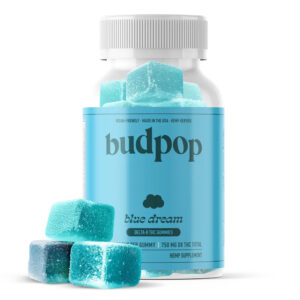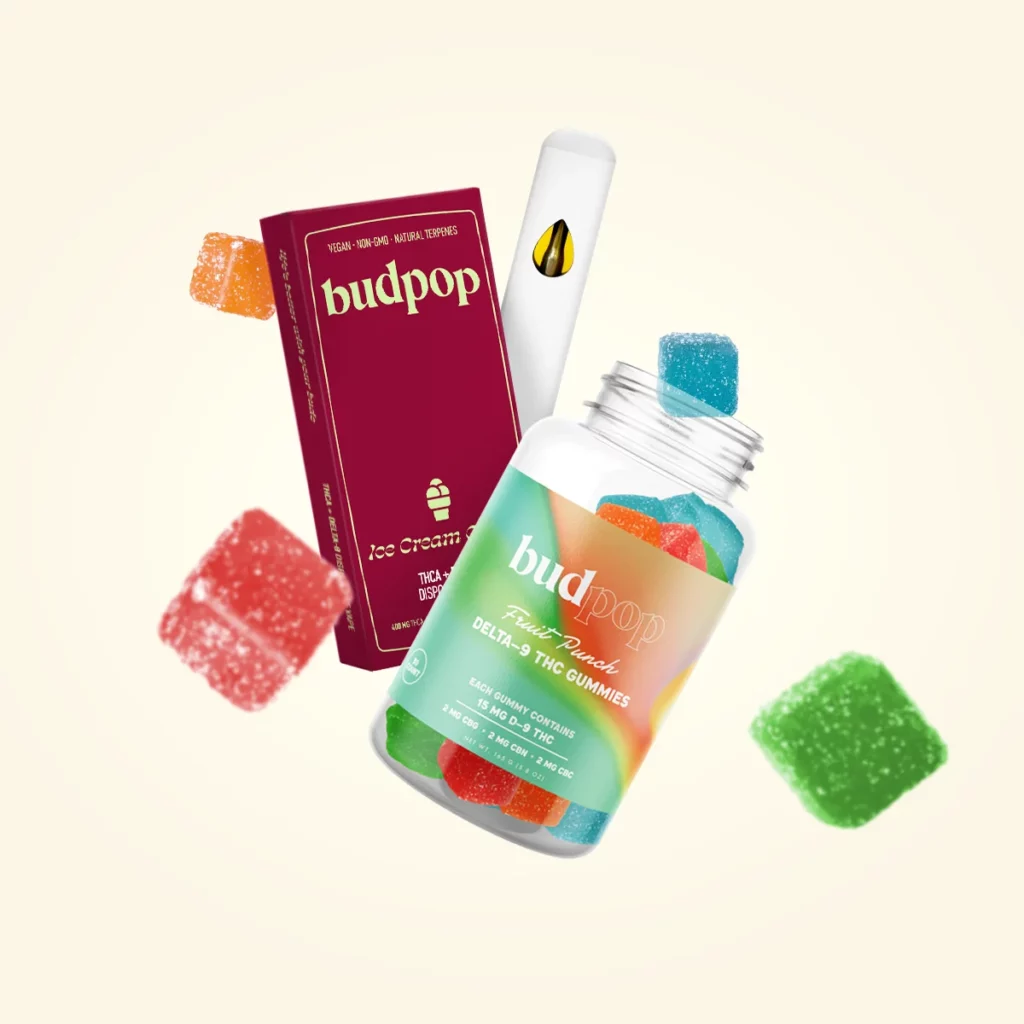

Sativa strains are associated with energy and focus. Indica strains are associated with relaxation and sleep. Hybrids fall somewhere in between. That’s the conventional framework, and it’s a useful starting point for picking a product.
But it’s incomplete. Modern cannabis science shows that the actual effects of any strain depend more on its terpene profile, cannabinoid ratios, and your individual biology than on whether someone labeled it “sativa” or “indica.” Two strains both classified as sativa can feel completely different because they contain different terpenes in different proportions.
This guide covers the traditional sativa vs indica vs hybrid categories (they still matter for shopping), then goes deeper into what actually drives the effects, and maps it all to BudPop’s product lineup.
Quick comparison
| Sativa | Indica | Hybrid | |
|---|---|---|---|
| Traditional effects | Energizing, cerebral, uplifting | Relaxing, sedating, body-focused | Varies by genetic lean |
| Best time of day | Morning, afternoon | Evening, nighttime | Depends on dominance |
| Plant appearance | Tall, thin leaves, airy buds | Short, bushy, broad leaves, dense buds | Varies by parent genetics |
| Typical THC:CBD | Higher THC, lower CBD | Varies (some CBD-rich) | Varies widely |
| Dominant terpenes | Limonene, terpinolene, pinene | Myrcene, linalool, caryophyllene | Mixed |
| Origin climate | Warm, humid (Central America, SE Asia) | Cool, dry (Hindu Kush mountains) | Cultivator-bred |
| Common use cases | Creativity, socializing, exercise, focus | Sleep, pain, stress relief, evening wind-down | Tailored to specific goals |
| BudPop products | Sativa live rosin gummies | Indica live rosin gummies | Most BudPop gummies are hybrid blends |
What is sativa?
Sativa (Cannabis sativa) refers to cannabis plants that originated in warm, equatorial climates across Central America, Southeast Asia, and Africa. The plants grow tall (sometimes over 12 feet), with narrow leaves and long flowering cycles.
The traditional association with sativa is an energizing, cerebral high. Users report increased focus, creativity, mood elevation, and a “head buzz” that feels stimulating rather than sedating. Popular classic sativa strains include Sour Diesel, Jack Herer, Green Crack, and Durban Poison.
Why sativa strains tend to feel energizing comes down to their typical terpene and cannabinoid profile. Sativas often contain higher concentrations of terpenes like limonene (citrus, mood-elevating), terpinolene (herbal, uplifting), and pinene (piney, focus-enhancing). These terpenes interact with THC to shape the character of the high through the entourage effect.
Best for: Daytime use, creative work, social events, exercise, outdoor activities, productivity with a microdose. See how to microdose THC gummies for functional daytime use.
What is indica?
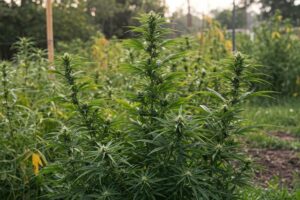
Indica (Cannabis indica) refers to plants that evolved in the harsh, mountainous terrain of the Hindu Kush range spanning Afghanistan and Pakistan. These plants are shorter, bushier, with broader leaves and dense, resinous buds. They flower faster than sativas.
Indica strains are traditionally linked to a relaxing “body high”: deep physical relaxation, sedation, muscle tension relief, and the couch-lock sensation. Popular indica strains include Bubba Kush, Granddaddy Purple, Northern Lights, and Hindu Kush.
The reason indica strains feel sedating is their typical terpene makeup. Indicas tend to be rich in myrcene (earthy, sedating), linalool (floral, calming), and beta-caryophyllene (peppery, anti-inflammatory). Myrcene in particular is the terpene most strongly correlated with the “body-heavy” sensation.
Best for: Evening wind-down, sleep support, physical discomfort, stress relief, post-workout recovery. For dedicated sleep products, see BudPop’s best delta 9 gummies for sleep.
What is hybrid?
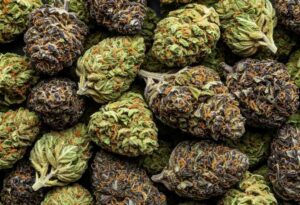
Hybrid strains are crosses between sativa and indica parent plants, bred to combine specific traits from each. A cultivator might cross a sativa known for its creative energy with an indica known for its pain-relieving properties to create a strain that does both.
Here’s the reality: nearly every cannabis strain available today is technically a hybrid. Centuries of global transport and crossbreeding mean that true, pure sativa and pure indica genetics are extremely rare. When a product is labeled “sativa” or “indica,” it usually means the strain leans heavily toward one side, not that it’s genetically pure.
Hybrids are further classified by their dominant lean:
Sativa-dominant hybrids produce an uplifting experience with a touch of physical relaxation. Examples: Blue Dream, Super Lemon Haze, Strawberry Cough.
Indica-dominant hybrids produce a relaxing body experience with some mental clarity. Examples: Gelato, Girl Scout Cookies, Wedding Cake.
Balanced hybrids (50/50 or close) produce an even mix of cerebral and physical effects. Examples: OG Kush, White Widow, Pineapple Express.
Best for: Versatility. Hybrids let you match a specific goal (focus + relaxation, energy + pain relief) rather than choosing one effect category.
Why the labels are a starting point, not the full picture
A 2015 study analyzing the genetic composition of 81 marijuana and 43 hemp samples found that the genetic structure of cannabis strains did not consistently align with their indica/sativa labels. In simpler terms, some strains labeled “indica” were genetically closer to sativa, and vice versa.
This matters for consumers because the label on the package isn’t a guarantee of how the product will feel. What actually determines your experience is the chemotype: the specific combination of cannabinoids (THC, CBD, CBG, CBN) and terpenes present in the product.
Two practical takeaways:
First, use sativa/indica/hybrid labels as a rough guide when shopping. They’re directionally useful, especially for flower and strain-specific vape products. A product labeled “indica” is more likely to contain myrcene-heavy terpene profiles that promote relaxation.
Second, when precision matters, look at the terpene profile and cannabinoid ratio on the COA (Certificate of Analysis) or product label. A “sativa” with high myrcene will feel more sedating than an “indica” with high limonene. The terpene data tells you more than the label.
Terpenes: the real effects guide
| Terpene | Aroma | Associated effects | Found more in | BudPop products with this terpene |
|---|---|---|---|---|
| Myrcene | Earthy, musky, herbal | Sedating, muscle-relaxing, couch-lock | Indica strains | Indica live rosin gummies, sleep formulas |
| Limonene | Citrus, lemon, orange | Mood-elevating, stress-relieving, energizing | Sativa strains | Sativa live rosin gummies, D9 + Caffeine gummies |
| Linalool | Floral, lavender | Calming, anxiety-reducing, sleep-promoting | Indica strains | D9 + CBN sleep gummies |
| Pinene | Pine, fresh | Focus-enhancing, alertness, anti-inflammatory | Sativa strains | Strain-specific vape carts |
| Caryophyllene | Peppery, spicy | Anti-inflammatory, pain-relieving | Both (common in hybrids) | Live resin gummies |
| Terpinolene | Herbal, fruity, floral | Uplifting, mildly sedating at high doses | Sativa strains | THCa flower |
Terpenes work alongside cannabinoids through the entourage effect. A full-spectrum or live resin product preserves these terpenes. Distillate-based products strip them out (and sometimes add botanical terpenes back). This is why live resin and live rosin gummies often produce more strain-specific effects than standard gummies.
Choose by goal, not just by label
| Your goal | Look for this | Strain lean | Terpene indicators | BudPop product |
|---|---|---|---|---|
| Morning energy and focus | Sativa-dominant, low dose (2.5 to 5 mg) | Sativa | Limonene, pinene, terpinolene | Sativa live rosin gummies |
| Creative flow | Sativa-dominant, microdose (1 to 3 mg) | Sativa | Limonene, terpinolene | D9 + Caffeine gummies |
| Social ease | Hybrid (balanced), low to standard dose | Hybrid | Limonene, caryophyllene | Delta-9 gummies |
| Stress relief (functional) | Hybrid, moderate dose (5 to 10 mg) | Hybrid | Caryophyllene, linalool | Live resin gummies |
| Deep relaxation | Indica-dominant, standard dose (10 to 20 mg) | Indica | Myrcene, linalool | Indica live rosin gummies |
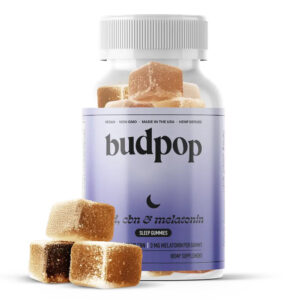
| Sleep | Indica-dominant + CBN, 5 to 15 mg | Indica | Myrcene, linalool | D9 + CBN sleep gummies |
| Pain/discomfort | Indica or hybrid, moderate to high dose | Indica/hybrid | Caryophyllene, myrcene | All Star Relief gummies |
For detailed dosing guidance across all these scenarios, see how many THC gummies should I eat.
What about ruderalis?
Cannabis ruderalis is a third subspecies, native to Central Asia and Russia. It’s small, hardy, and autoflowering (it flowers based on age rather than light cycle changes). Ruderalis is very low in THC but has been crossbred with indica and sativa strains to create autoflowering hybrids that are easier for cultivators to grow. You won’t see “ruderalis” on product labels because it’s a cultivation tool, not a consumer category.
How sativa, indica, and hybrid apply to different product types
Flower and pre-rolls
This is where strain classification matters most. THCa flower and pre-rolls preserve the original plant’s terpene profile, so a sativa flower genuinely feels different from an indica flower. The classification is most reliable here because the product is closest to the source plant.
Vape cartridges
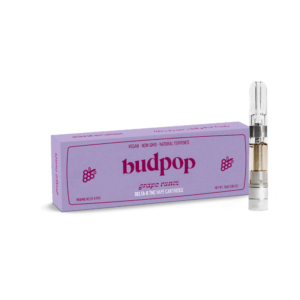
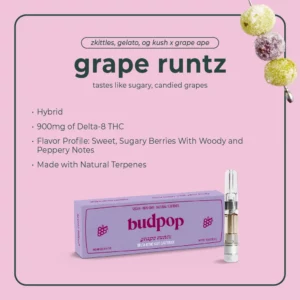
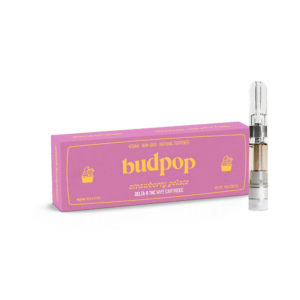
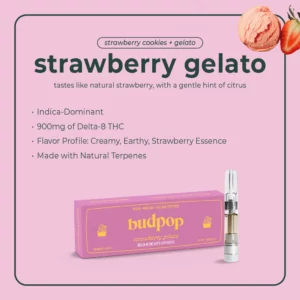
Strain-specific vape carts (delta-8 carts, THCa carts) use strain-derived or strain-matched terpene profiles. A Sour Diesel cart should taste and feel like Sour Diesel flower, though the intensity of effect may differ depending on whether the terpenes are cannabis-derived or botanically sourced.
Gummies and edibles
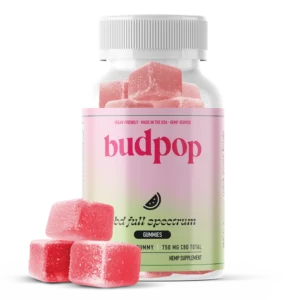
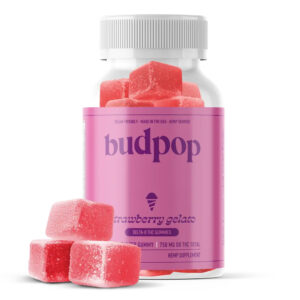
Most gummies use THC distillate or extract rather than strain-specific material. Unless the label says “live resin” or “live rosin” with a named strain, the sativa/indica distinction doesn’t apply to standard gummies. BudPop’s live rosin sativa and live rosin indica gummies are the exception because they use solventless, strain-specific extracts with the original terpene profile intact. Standard delta-9 gummies produce effects based on dose and cannabinoid blend, not strain type. For a broader look at gummy benefits and duration, see our dedicated guides.
Frequently asked questions
Does sativa or indica really matter?
It matters as a general guide, especially for flower and strain-specific products. For gummies and distillate-based products, the cannabinoid ratio and terpene profile matter more than the label. The science shows that chemotype (the actual chemical makeup) is a better predictor of effects than the sativa/indica classification alone.
Is sativa or indica better for anxiety?
It depends on the person and the dose. Low-dose indica strains rich in linalool and myrcene are commonly used for calming anxiety. Some people find low-dose sativa strains with limonene equally effective for daytime anxiety. High-dose THC of any type can increase anxiety. Start low regardless of strain.
What’s the strongest type: sativa, indica, or hybrid?
Potency depends on THC percentage, not strain type. Sativas, indicas, and hybrids can all be bred for high THC. THCP gummies are currently the most potent cannabinoid product BudPop sells, regardless of strain classification.
Can I mix sativa and indica?
Yes. Many users intentionally combine a sativa product during the day and an indica product at night. Your body processes each cannabinoid dose independently. There’s no adverse interaction from mixing strain types.
Are most strains hybrids now?
Yes. After centuries of global crossbreeding, genetically pure sativa and indica strains are extremely rare. Most products labeled “sativa” or “indica” are actually hybrid strains that lean heavily toward one side. The label indicates the dominant trait, not genetic purity.
Do sativa and indica gummies feel different?
Only if they’re made with strain-specific extracts (live resin or live rosin). Standard distillate gummies use isolated THC with no strain-specific terpenes, so the sativa/indica label on a distillate gummy is largely marketing. BudPop’s live rosin gummies are the exception because they retain the plant’s original terpene fingerprint.
What’s the best strain type for a beginner?
A balanced hybrid or a low-THC indica. Hybrids give you a moderate experience without extreme sedation or intense cerebral effects. If you’re completely new to THC, start with 5 mg or less regardless of strain type and wait two full hours.
Why do some people say the indica/sativa system is outdated?
Because genetic research shows the labels don’t reliably predict chemical composition. A strain labeled “indica” might have a terpene profile more typical of sativa. The labels are still useful as directional shopping shorthand, but the terpene and cannabinoid data on the COA is a more accurate predictor of how a product will affect you.