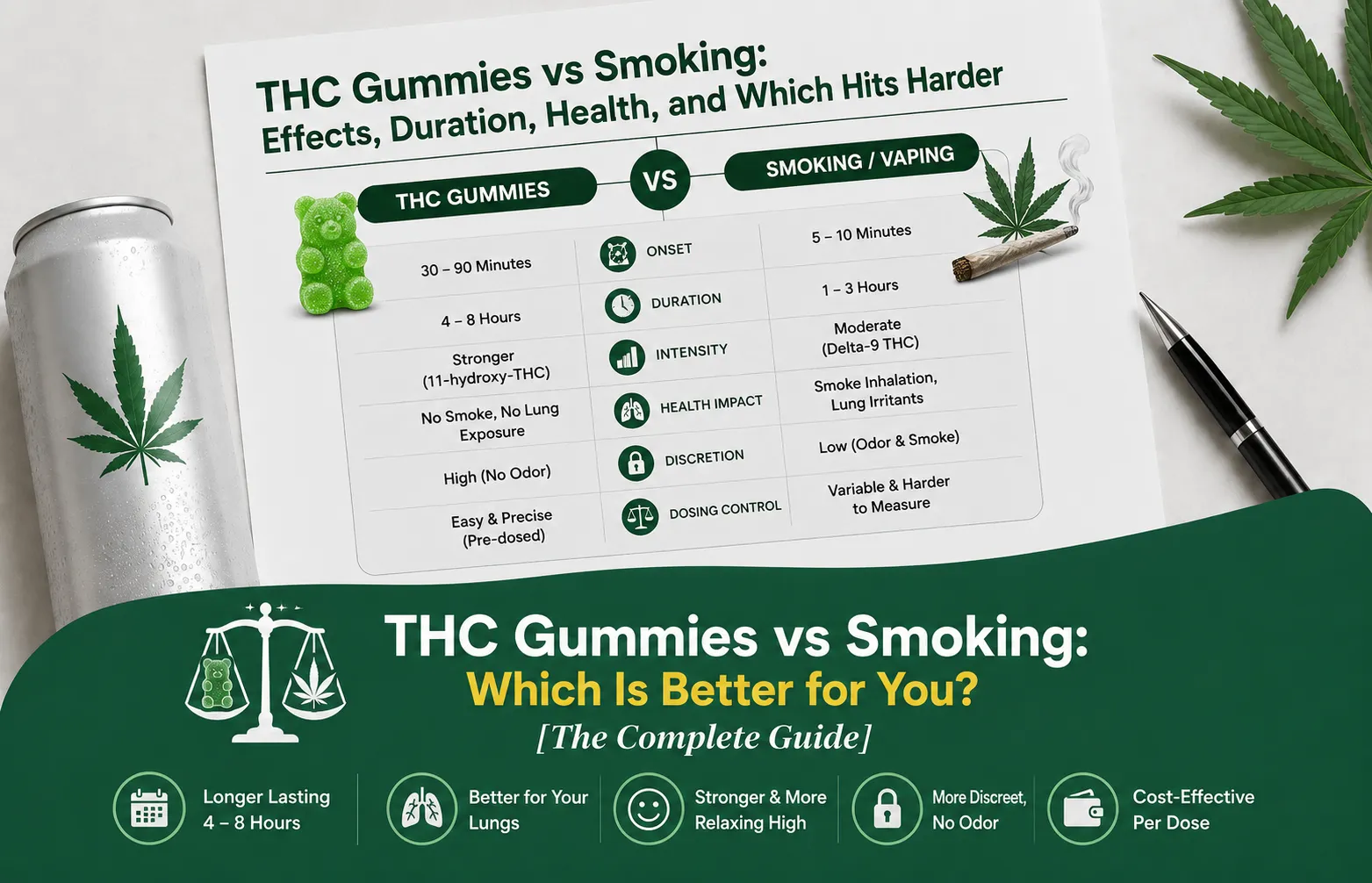
The short answer: smoking hits faster (5 minutes), gummies hit harder and last longer (4 to 8 hours vs 1 to 3). The reason is a single molecule: 11-hydroxy-THC. When you eat THC, your liver converts it into this more potent metabolite before it reaches your brain. When you smoke, the THC goes lung-to-brain directly and mostly skips the liver conversion. Same cannabinoid, two completely different pharmacological experiences.
The metabolism difference (why gummies feel “different”)
When you smoke or vape cannabis, THC passes through your lung tissue into your bloodstream and reaches your brain within minutes. Peak blood levels of Delta-9 THC arrive in 3 to 10 minutes. The experience feels immediate, controllable, and relatively short.
When you eat a gummy, the THC takes a detour through your digestive system and liver. Your liver’s CYP enzymes convert a significant fraction of the Delta-9 THC into 11-hydroxy-THC. This metabolite is more water-soluble than Delta-9, crosses the blood-brain barrier more efficiently, and produces subjectively stronger psychoactive effects per milligram.
That’s why 10mg in a gummy can feel stronger than smoking an entire joint. The gummy route produces more 11-hydroxy-THC. The smoking route produces almost none.
Side-by-side comparison
| Factor | Smoking / Vaping | THC Gummies |
|---|---|---|
| Onset | 5 to 10 minutes | 30 to 90 minutes |
| Peak | 15 to 30 minutes | 90 to 120 minutes |
| Duration | 1 to 3 hours | 4 to 8 hours |
| Intensity at same mg | Moderate | Stronger (11-hydroxy conversion) |
| Dosing control | Real-time (stop mid-session) | Committed once swallowed |
| Lung health impact | Harmful (combustion byproducts) | None (no inhalation) |
| Smell | Strong, lingers on clothes/hair | None |
| Discretion | Low (visible smoke, odor) | High (looks like candy) |
| Cost per session | $2 to $8 (depending on quality) | $1 to $3 per gummy |
| Calorie impact | Zero | 15 to 30 calories per gummy |
| Drug test detection | 3 to 30 days (same as gummies) | 3 to 30 days (same) |
| Legal accessibility | Flower legal in fewer states | Hemp gummies legal in more states |
Health comparison (the honest picture)
This is the section that matters most for people considering the switch from smoking to gummies.
Lung health
Smoking cannabis produces combustion byproducts: tar, carbon monoxide, benzene, toluene, and particulate matter. These are the same categories of harmful compounds found in tobacco smoke. A 2022 study in The Lancet found that cannabis smoking was associated with bullous lung disease, and heavy cannabis smoking can produce symptoms similar to chronic bronchitis (coughing, phlegm, wheezing).
Vaping reduces but doesn’t eliminate lung exposure. The EVALI outbreak in 2019 specifically linked vitamin E acetate in some vape cartridges to severe lung injury. Modern regulated vape products have improved, but long-term vaping safety data is still limited.
Gummies involve zero lung exposure. From a respiratory health perspective, gummies are unambiguously safer than smoking. If you’re switching from smoking to gummies specifically for health reasons, that switch is well-supported by the evidence.
Cardiovascular effects
THC increases heart rate regardless of delivery method. Smoking adds carbon monoxide exposure, which further stresses the cardiovascular system. Gummies deliver the THC without the CO burden.
For people with cardiovascular risk factors, gummies produce one risk (THC-induced tachycardia) while smoking produces two (tachycardia plus CO exposure).
Dental and oral health
Smoking cannabis is associated with periodontal disease, gum inflammation, and xerostomia (dry mouth). Gummies cause dry mouth too (THC binds salivary gland receptors regardless of delivery method), but they skip the heat exposure, tar residue, and periodontal inflammation that smoking produces.
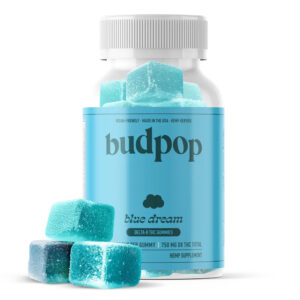
The sugar in gummies is its own dental concern. Pectin-based gummies (like BudPop’s) with lower sugar content and natural sweeteners are less problematic than high-sugar gelatin gummies, but brushing after any sugary gummy is good practice.
When gummies are the better choice

Sustained relief (pain, sleep, anxiety). The 4 to 8 hour duration means one dose covers an entire evening, a full sleep cycle, or a sustained pain management window. Achieving the same coverage with smoking would require 3 to 4 separate sessions.
Discretion. No smoke, no odor, no paraphernalia. A BudPop gummy looks like candy. You can take one at a restaurant bathroom, at a concert, or at home without anyone knowing.
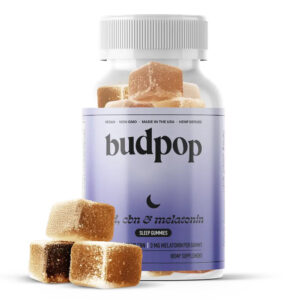
Precise dosing. Each gummy contains a measured amount of THC (BudPop’s Cosmic Punch is exactly 15mg D9 + 2mg each CBC/CBG/CBN per gummy, with only 2.1% potency variance). Smoking involves eyeballing a bowl or joint, where actual THC delivered per hit varies widely based on flower potency, burn temperature, and inhalation depth.
Zero lung exposure. If you’ve been smoking daily and notice respiratory symptoms (chronic cough, morning phlegm, wheezing), switching to gummies removes the irritant while maintaining the cannabinoid access.
Legal accessibility. Hemp-derived THC gummies (under 0.3% D9 by dry weight) are federally legal under the 2018 Farm Bill and ship to most states. Cannabis flower is only legal for recreational use in roughly 24 states and requires in-person dispensary purchase.
When smoking is the better choice

Fast relief. If you need THC effects in 5 minutes (acute nausea, sudden anxiety spike, pain flare), smoking or vaping delivers faster than any gummy. Gummies are prevention; smoking is rescue.
Dose titration. Smoking lets you take one hit, wait 5 minutes, assess, and decide whether to take another. This real-time control is impossible with gummies. For new users still finding their dose, the ability to stop mid-session is a genuine safety advantage.
Shorter duration. Sometimes you want a 90-minute experience, not a 6-hour commitment. A single hit from a vape produces mild effects that fade within 1 to 2 hours. A gummy locks you in for the entire ride.
Ritual and social experience. Passing a joint or hitting a vape in a group setting has a social ritual that gummies don’t replicate. THC drinks are closing this gap (the sipping-with-friends experience), but gummies are a solo consumption format by nature.
The 10mg equivalence myth
You’ll see claims that “10mg in a gummy equals X joints.” These comparisons are mostly meaningless because:
A typical joint contains 0.5 to 1 gram of flower at 15 to 25% THC, meaning 75 to 250mg of total THC in the flower. But you don’t absorb all of it. Combustion destroys roughly 50% of the THC, and sidestream smoke wastes another 20 to 30%. Net delivery from a joint is roughly 15 to 30% of the total THC content, so a 150mg-THC joint delivers about 25 to 45mg to your lungs.
A 10mg gummy delivers 10mg to your stomach, your liver converts a portion to the more potent 11-hydroxy-THC, and the rest enters circulation as Delta-9.
The experiences are too pharmacologically different to equate. A 10mg gummy feels qualitatively different from any amount of smoking because the metabolite profile is different. The comparison that matters is experiential (how do you feel) rather than milligram-to-milligram.
Making the switch: practical advice
If you’re transitioning from daily smoking to gummies:
Start lower than you think. If you smoke a gram a day, you might assume you need 50mg in gummies. You probably don’t. The 11-hydroxy conversion means gummies produce stronger effects per milligram than you’re used to from smoking. Start at 10 to 15mg and adjust from there.
Expect a different experience. Gummies feel heavier in the body, slower to arrive, and longer to fade. The head-rush immediacy of smoking is gone. The trade-off is sustained, rolling effects that build gradually rather than spiking and dropping.
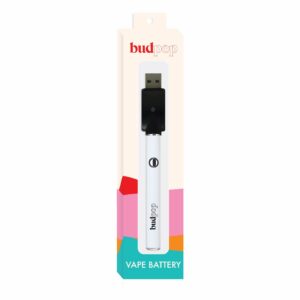
Bridge with vaping. If 45 to 90 minute onset feels unbearable, use a low-dose vape for the first 30 minutes while the gummy comes on. Once you feel the gummy, you won’t need the vape. Over a few weeks, you can drop the vape entirely.
Give it 2 weeks. The first few gummy sessions after switching from smoking often feel “weird” because the experience profile is different. By session 5 to 6, your expectations recalibrate and the gummy experience becomes its own thing rather than a substitute for smoking.
THC RECOVERY PICKS
Feeling Too High From Edibles?
These hemp-derived products are popular for promoting calmer,
smoother, and more manageable THC effects.
Frequently asked questions
Are gummies healthier than smoking weed?
For your lungs, yes. Gummies involve zero combustion, zero smoke inhalation, and zero carcinogenic byproducts. Cardiovascular effects from THC are similar with both methods, but smoking adds carbon monoxide exposure on top. If respiratory health is your concern, gummies are the clearly safer format.
Do gummies get you higher than smoking?
At equivalent doses, gummies often feel subjectively stronger because the liver converts THC into 11-hydroxy-THC, a more potent metabolite. The experience is also longer (4 to 8 hours vs 1 to 3). “Higher” is subjective, but “more intense for longer” is objectively true for gummies.
How much THC in a gummy equals one joint?
There’s no clean equivalence because the metabolism is different. Roughly, a 10 to 15mg D9 gummy produces effects comparable in intensity to a well-smoked half-gram joint of 20% THC flower, but the gummy lasts 3 to 4 times longer. Your personal crossover point depends on your metabolism and tolerance.
Can I smoke and eat gummies at the same time?
You can, but start cautiously. The gummy takes 45 to 90 minutes to peak, and if you smoke during that waiting period, both will compound when the gummy arrives. Experienced users sometimes take a low-dose gummy for sustained effects and use a vape for the initial 30-minute bridge.
Disclaimer: This article is for informational purposes only. Both smoking cannabis and consuming THC gummies carry health considerations. Neither is risk-free. Consult a healthcare professional if you have respiratory or cardiovascular conditions. Do not drive after using THC in any form. You must be 21 or older to purchase.