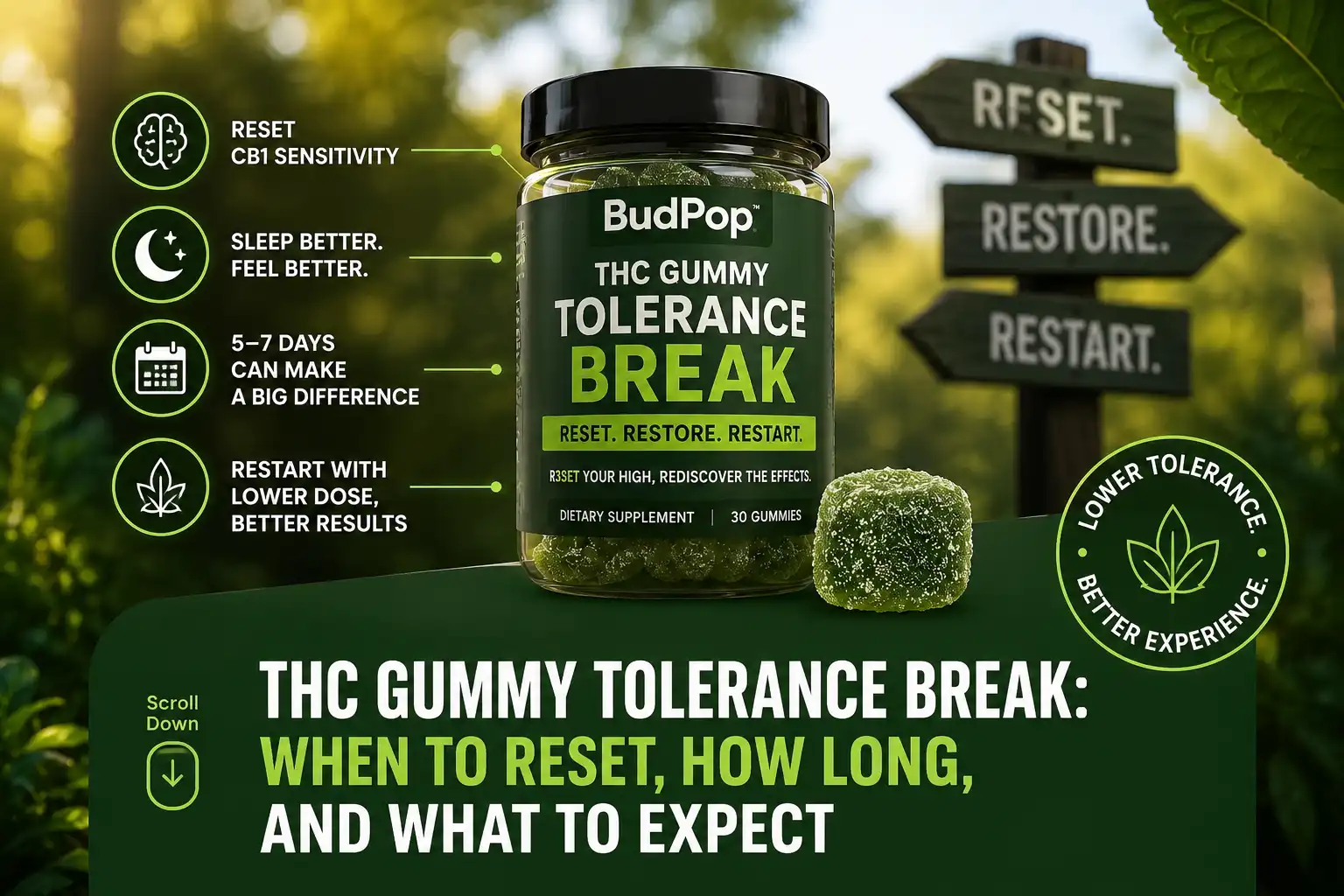
THC gummy tolerance break: when to reset, how long, and what to expect
Your 15mg gummy used to light you up for 6 hours. Now it barely registers for 3. That’s CB1 receptor downregulation, and it happens to every daily THC user within 2 to 3 weeks of consistent dosing. The receptors don’t disappear. They withdraw from the cell surface and become less responsive. The same dose produces a weaker signal because fewer receptors are available to receive it.
The fix is a tolerance break (t-break). And the good news from the research: CB1 receptors recover surprisingly fast.
How fast your receptors actually recover
A study published in Biological Psychiatry using PET brain imaging found that daily cannabis users had approximately 20% fewer available CB1 receptors than non-users. But here’s the part that matters for t-break planning: receptor availability began recovering within 48 hours of cessation and returned to non-user levels within 28 days.
That research established the recovery curve that every practical t-break protocol is built on:
| Break length | CB1 recovery | What you’ll notice |
|---|---|---|
| 48 hours | Partial (~20-30% improvement) | Same dose feels slightly stronger |
| 3 to 5 days | Significant (~50-60% recovery) | Noticeable sensitivity reset. 15mg feels like 15mg again. |
| 7 to 14 days | Substantial (~70-85% recovery) | Dramatic reset. 10mg may feel like what 20mg used to. |
| 28 days | Near-complete (~95%+ recovery) | Full reset. First-timer sensitivity returns. 5mg hits hard. |
Most regular users don’t need 28 days. A 5-day break is the sweet spot for practical tolerance management: long enough for meaningful CB1 recovery, short enough that it doesn’t feel like punishment.
Signs you need a tolerance break
Not everyone who uses gummies daily needs a break. Tolerance becomes a problem when:
Your dose has doubled in the last 3 months. If you started at 10mg and you’re now at 20 to 25mg for the same effect, your receptors are downregulated. Breaking and resetting is cheaper and healthier than continuing to escalate.
Duration is shortening. A gummy that used to carry 6 hours of effects now fades at 3 to 4. Your liver is metabolizing the THC at the same rate, but lower receptor sensitivity means the tail of the experience drops below your perception threshold sooner.
You’re taking gummies more out of habit than desire. If the gummy has become a daily routine rather than a chosen experience (you take it on autopilot, and stopping feels more like a disruption than a decision), the tolerance-habit loop has set in. A break resets both the receptors and the psychological pattern.
Side effects are increasing without proportional benefits. Dry mouth, red eyes, and morning grogginess are dose-dependent. If side effects are climbing but the enjoyable effects aren’t keeping pace, you’re past the useful end of the dose-response curve.
The 5-day t-break protocol
This is the protocol that works for most weekly-to-daily gummy users. Five days, structured.
Day 1: The hardest day
Your body expects its evening gummy. You’ll probably feel restless, mildly irritable, and have trouble falling asleep. These aren’t dangerous withdrawal symptoms; they’re your endocannabinoid system recalibrating to produce its own cannabinoids (anandamide and 2-AG) instead of relying on external THC.
What helps: exercise (produces anandamide naturally), magnesium glycinate before bed (supports sleep without cannabis), and accepting that one bad night of sleep is the investment cost of the reset.
Day 2: Sleep disruption peaks
Most daily users report that Day 2 sleep is the worst. Vivid dreams (sometimes intense or weird) are extremely common because THC suppresses REM sleep, and without it, REM rebounds aggressively. You’ll dream more and remember more of it.
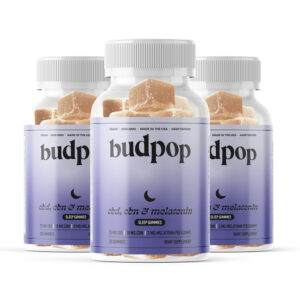
What helps: melatonin (1 to 3mg, 30 minutes before bed), no caffeine after noon, and BudPop’s CBD + CBN Sleep Gummies (25mg CBD + 10mg CBN + 3mg melatonin). CBD and CBN are not THC. They don’t activate CB1 in the same way and won’t interfere with your tolerance reset. They will help you sleep.
Day 3: Turning the corner
Irritability and restlessness start easing. Appetite normalizes (some daily users experience reduced appetite during the first 2 to 3 days of a break because THC stimulates appetite via CB1 in the hypothalamus, and removing it temporarily reduces hunger signals). Sleep improves. Energy levels may actually increase because you’re not carrying residual THC sedation.
Day 4 to 5: Stabilization
By Day 4, most people feel normal. Sleep quality has improved. Mood has stabilized. The “I need my gummy” feeling has faded to a mild preference rather than an urge.
At the end of Day 5, your CB1 receptors have recovered roughly 50 to 60% of their full sensitivity. That’s enough for a dramatic experiential difference when you resume.
Day 6: Return session
Take your pre-break dose minus 30 to 50%. If you were at 15mg before the break, start with 7.5 to 10mg. The reduced dose will feel stronger than your pre-break 15mg because your receptors are more sensitive.
From here, try to stay at the lower dose. The whole point of the break was to escape the escalation cycle. If you immediately go back to 15mg, you’ll rebuild tolerance to the same level within 2 to 3 weeks.
The rotation alternative (for people who can’t stop completely)
A full 5-day abstinence break isn’t realistic for everyone. If you use THC daily for pain management, sleep, or anxiety, going cold turkey can be medically counterproductive.
The rotation method preserves therapeutic effects while slowing tolerance buildup:
Day 1 to 2: Delta-9 THC gummies (your normal product) Day 3: Delta-8 THC gummies (different binding affinity, partial CB1 reset) Day 4: CBD-only gummies (no CB1 activation, full-day receptor rest) Day 5: Delta-10 or THCP blend (different cannabinoid profile) Day 6 to 7: Back to Delta-9
Each cannabinoid activates CB1 at a slightly different binding site and affinity. Rotating between them prevents any single receptor configuration from fully downregulating. The CBD day gives CB1 receptors a full 24-hour rest without removing all cannabinoid support.
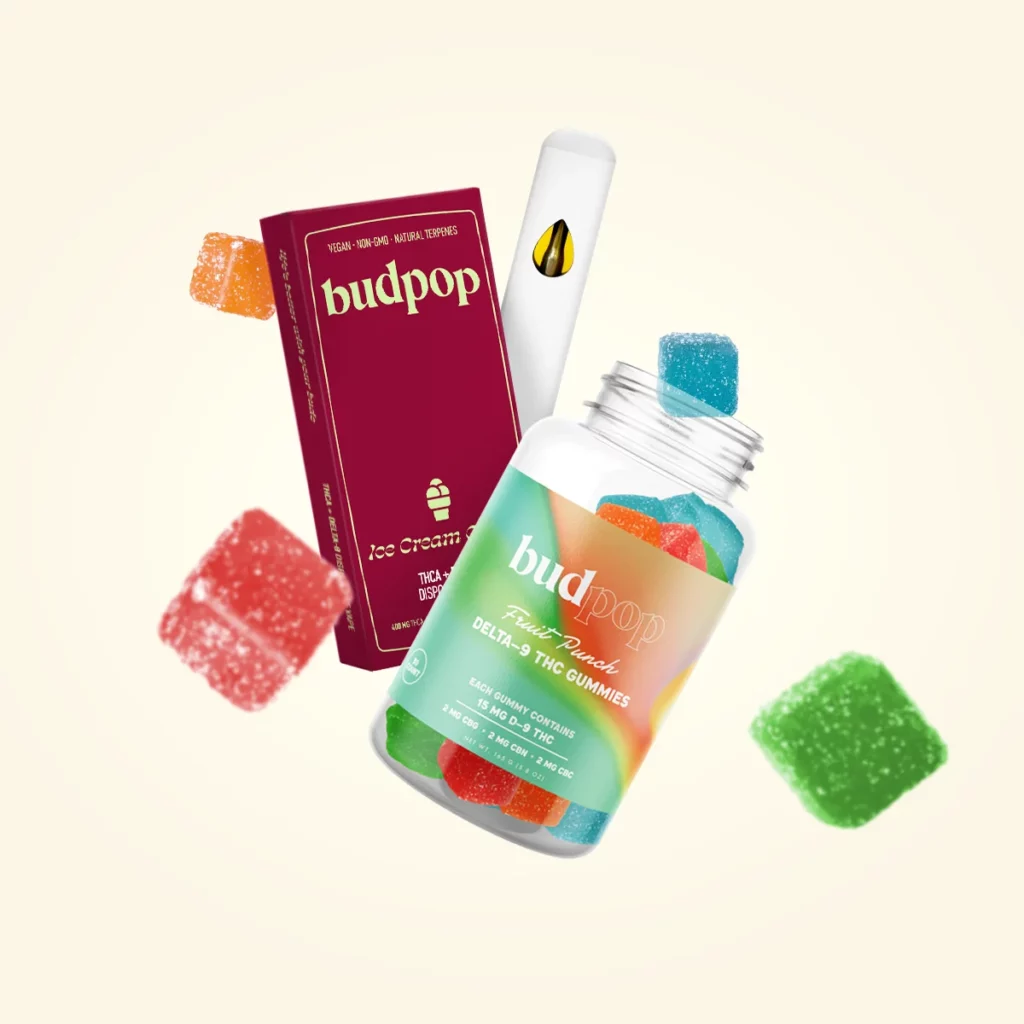
BudPop’s catalogue supports this rotation:
- Days 1-2: Cosmic Punch (15mg D9 + CBC + CBG + CBN)
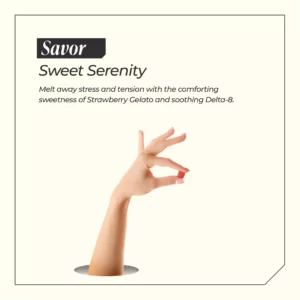
- Day 3: Strawberry Gelato D8 (25mg D8)
- Day 4: CBD + Ashwagandha (25mg CBD + 150mg ashwagandha, zero THC)
- Day 5: Joyride D10 (25mg D10 + 25mg D8 + 10mg D9)
- Days 6-7: Back to Cosmic Punch
How to maintain low tolerance long-term
Use 3 to 4 times per week maximum. Daily use guarantees tolerance. Spacing sessions 48+ hours apart gives CB1 receptors time to partially recover between each dose.
Keep your dose at the minimum effective level. If 10mg works, don’t take 15mg “for fun.” Every extra milligram pushes tolerance faster without proportional benefit.
Take a 3 to 5 day break every 4 to 6 weeks. Planned breaks are easier than reactive ones. Schedule them on a predictable cycle (first week of every month, for example) so they become routine rather than a crisis response.
Rotate cannabinoids. Even if you don’t follow the full rotation protocol above, alternating between D9 and D8 on different days measurably slows tolerance buildup compared to using D9 exclusively.
Exercise regularly. Physical activity produces endogenous anandamide (your body’s own cannabinoid). Higher natural anandamide levels mean your ECS stays healthier and more responsive, which slows the tolerance that comes from relying entirely on external THC.
THC RECOVERY PICKS
Feeling Too High From Edibles?
These hemp-derived products are popular for promoting calmer,
smoother, and more manageable THC effects.
Frequently asked questions
How long should a tolerance break be?
5 days for a practical reset (50 to 60% CB1 recovery). 14 days for a near-full reset (70 to 85%). 28 days for complete recovery to non-user levels. Most regular users get excellent results from 5-day breaks every 4 to 6 weeks.
Can I use CBD during a tolerance break?
Yes. CBD doesn’t activate CB1 receptors the same way THC does. It won’t interfere with your tolerance reset. BudPop’s CBD + CBN Sleep Gummies are specifically helpful for the sleep disruption that hits Days 1 to 3 of a t-break.
Will I have withdrawal symptoms?
Mild ones. Irritability, difficulty sleeping, vivid dreams, reduced appetite, and mild anxiety are common for the first 2 to 3 days. These are not medically serious and resolve on their own. They’re uncomfortable, not dangerous.
Does Delta-8 tolerance carry over to Delta-9?
Partially. D8 and D9 both bind CB1, so heavy D8 use builds some cross-tolerance to D9 (and vice versa). The cross-tolerance is estimated at 50 to 70% because D8 has weaker binding affinity. This is why rotating between them helps but doesn’t fully prevent tolerance.
After my tolerance break, how do I avoid building tolerance again?
Use 3 to 4 times per week maximum. Keep doses at the minimum effective level. Rotate cannabinoids. Take planned 5-day breaks every 4 to 6 weeks. Exercise regularly to maintain natural endocannabinoid production.
Disclaimer: This article is for informational purposes only. If you use THC for a medical condition, consult your healthcare provider before starting a tolerance break. Abrupt cessation of daily cannabis use can temporarily worsen symptoms that THC was managing. You must be 21 or older to purchase.