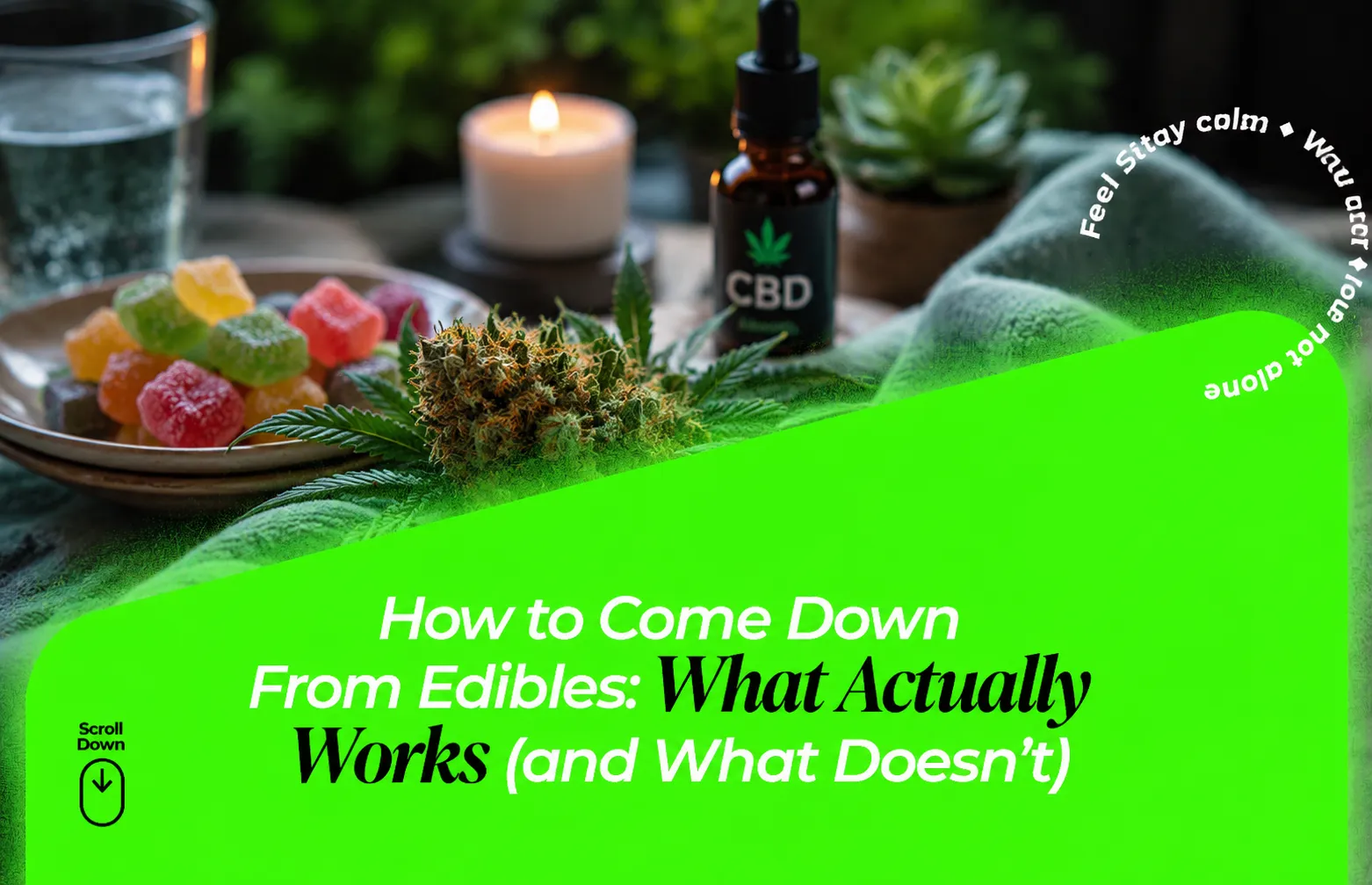
If you’re searching for how to come down from edibles, you’re probably feeling overwhelmed, anxious, or uncomfortably high right now. The good news is that THC edibles can feel intense, but the effects are temporary. There are several practical ways to reduce discomfort, calm your nervous system, and make the experience easier to manage safely.
You cannot fully sober up from a THC edible, but you can take the edge off. Drink water. Find a calm dark room. Use 5 mg of pure CBD if you have it, it counters the THC. Eat a small carb. Go for a slow walk. Most peaks last 30 to 60 minutes after you panic. You are not in danger.
You are not in medical danger
Read this before you do anything else.
Nobody has died from a THC overdose. There is no lethal dose of THC for humans. What you’re feeling, the racing heart, the looping thoughts, the feeling that something is very wrong, is real discomfort, but it is not a medical emergency.
Your heart rate is elevated. That’s normal with high-dose THC. It will come back down. Your thoughts feel scattered or stuck. That’s also temporary. Your liver will metabolize the THC in your system over the next few hours, and everything you’re experiencing right now will fade.
The peak of edible discomfort usually lasts 30 to 60 minutes. After that, most people find the intensity drops significantly, even if they’re still high.
If you’re reading this at hour 5 and still feel terrible, that’s unusual but still not dangerous. Very high doses (50 mg or more) can stretch the uncomfortable window longer. You’re still not in danger.
6 things to do right now, in order
Step 1: water
Get a glass of cold water and drink it slowly. Dry mouth is one of the most physically uncomfortable parts of being too high, and fixing it provides immediate physical relief.
Cold water also gives your nervous system something concrete and grounding to respond to. Keep sipping throughout.
Step 2: calm dark space
Find the quietest, least stimulating room you have access to. Dim the lights or close the curtains. Lie down or sit somewhere you feel physically safe.
Sensory overload makes the disorientation worse. A loud room, a bright screen, or a crowd of people will all make this harder to ride out. The goal is to reduce the amount your brain has to process.
If you’re outdoors or somewhere you can’t control your environment, find a quiet corner or a car and sit for a few minutes. Somewhere you can close your eyes without concern.
Step 3: CBD to counter the THC
This is the most pharmacologically useful thing on this list. CBD competes with THC at the CB1 receptor and can genuinely reduce the intensity of the high for many people.
What you want pure CBD, 20 to 40 mg, in a form that absorbs quickly. A CBD tincture held under the tongue for 60 seconds is ideal. CBD gummies work too but take longer. CBD vapes are fastest.
What won’t work: a CBD product with significant THC in it. Check the label. You want a hemp-derived CBD product with less than 0.3% THC, not a balanced THC/CBD product from a dispensary.
If you don’t have CBD on hand, skip this step. Ordering it or driving to get it right now is a bad idea on both counts.
Step 4: small carb snack
Crackers. Toast. A piece of fruit. Something light and easy to eat.
Eating can help moderate blood sugar and gives your body something else to do. It also provides a grounding sensory experience. A small amount of food won’t flush the THC from your system, but it takes the edge off for most people.
Don’t eat a full meal. A heavy meal can actually slow THC metabolism slightly and make you feel more sluggish. Small snack, not dinner.
Step 5: slow walk if outdoors is safe
If you’re at home and have access to a yard or a quiet street, a 5-minute slow walk can help. Light movement, fresh air, and a mild change of environment all reduce the locked-in, trapped feeling that comes with being too high indoors.
The key word is slow. A brisk walk can raise your heart rate further. Stroll.
If outdoors doesn’t feel safe, if you’re in a city alone at night, or you feel too disoriented to navigate safely, stay inside. This step is optional.
Step 6: breathwork or a focus task
Slow breathing is genuinely effective at reducing heart rate and anxiety. The 4-7-8 method works for a lot of people: inhale for 4 counts, hold for 7, exhale for 8. Repeat 4 times.
A simple focus task can also help. Something that requires mild attention without pressure: a low-stakes video, a familiar podcast, a repetitive game on your phone. The goal is to give your brain a single gentle thread to follow instead of spiraling.
Avoid anything stressful, emotionally intense, or fast-paced. A horror film or a news feed is not the right call right now.
3 things people try that don’t work
| What people try | Why it doesn’t work |
| Coffee | Caffeine raises heart rate. Edibles already do that. Stacking the two makes the racing heart sensation worse, not better, and adds an anxious jitteriness on top of everything you’re already feeling. Skip it. |
| A cold shower | The shock of cold water can briefly jolt your sensory state, but it won’t reduce THC blood plasma levels at all. For some people the intensity of the cold makes the disorientation worse. A cool shower (not cold) is fine if it’s calming, but don’t expect it to do anything pharmacological. |
| A second edible to balance it out | This is the worst idea on the list. More THC will not counteract the THC already in your system. Whatever you’re feeling will get stronger and last longer. Put the package down. |
When to call someone, when to call a doctor
Call a trusted person (not a doctor, just someone who can be with you) if you’re alone and the anxiety is making it hard to follow the steps above. Having someone physically present is calming in a way that nothing else on this list matches.
Call a doctor or go to urgent care if you experience any of the following: severe chest pain (not just a racing heart, but actual pain), difficulty breathing that doesn’t ease when you lie down, vomiting that won’t stop, or if you feel genuinely unable to control your own behavior.
Those symptoms are rare at any dose of THC and are more likely related to something else you consumed, an underlying condition, or a contaminated product. But if they’re present, get help.
Call 911 or your local emergency number if someone with you loses consciousness or can’t be woken up. At any substance involved, unresponsiveness is always a 911 situation.
For the vast majority of people reading this: none of that applies. You’re too high, not in danger. But the thresholds above are where the calculus changes.
How long until I feel normal again
This depends mostly on how much you took.
5 to 10 mg: the uncomfortable peak typically passes within 1 to 2 hours. You’ll likely feel normal to slightly tired within 4 to 5 hours.
20 to 30 mg: the intensity can last 3 to 5 hours. You may feel foggy or sedated for most of the day.
50 mg or more: buckle in. Some people feel effects for 8 to 12 hours. The acute discomfort usually peaks and eases, but the residual sedation can last well into the next day.
The hardest part for most people is the first 30 to 60 minutes after they realize they’ve taken too much. After that point, the physical peak of THC in the bloodstream typically levels off and starts to fall. The experience usually gets easier from there, even if it takes a while to fully clear.
How to never do this again: 3 rules for next time
Once you’re through this, some reflection is worth it.
Start at 5 mg or less. Most dispensary gummies are 10 mg per piece. That’s a fine maintenance dose for experienced users. For a beginner or anyone who hasn’t dosed in a while, it’s too much. Cut the gummy in half.
Wait the full 2 hours before taking more. Edibles feel deceptively slow. Taking a second dose at the 90-minute mark because you “don’t feel anything” is how most overdoses happen. The first dose is still working its way through your digestive system.
Know what you took before you take it. Read the label. Confirm the mg per piece, not the total mg in the package. A package labeled “100 mg” with 10 gummies inside is 10 mg per gummy. A package labeled “100 mg” with 4 gummies is 25 mg per gummy. The math matters a lot.
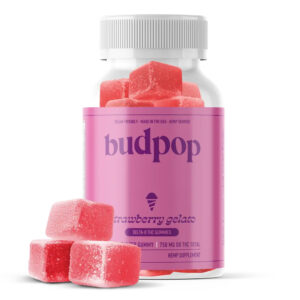
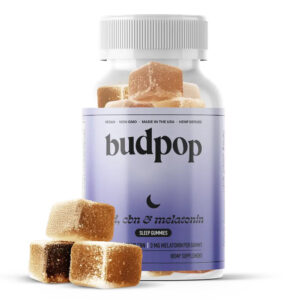
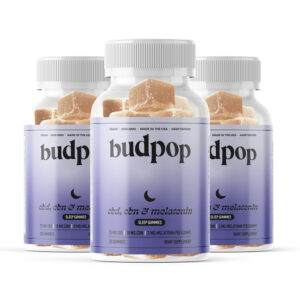
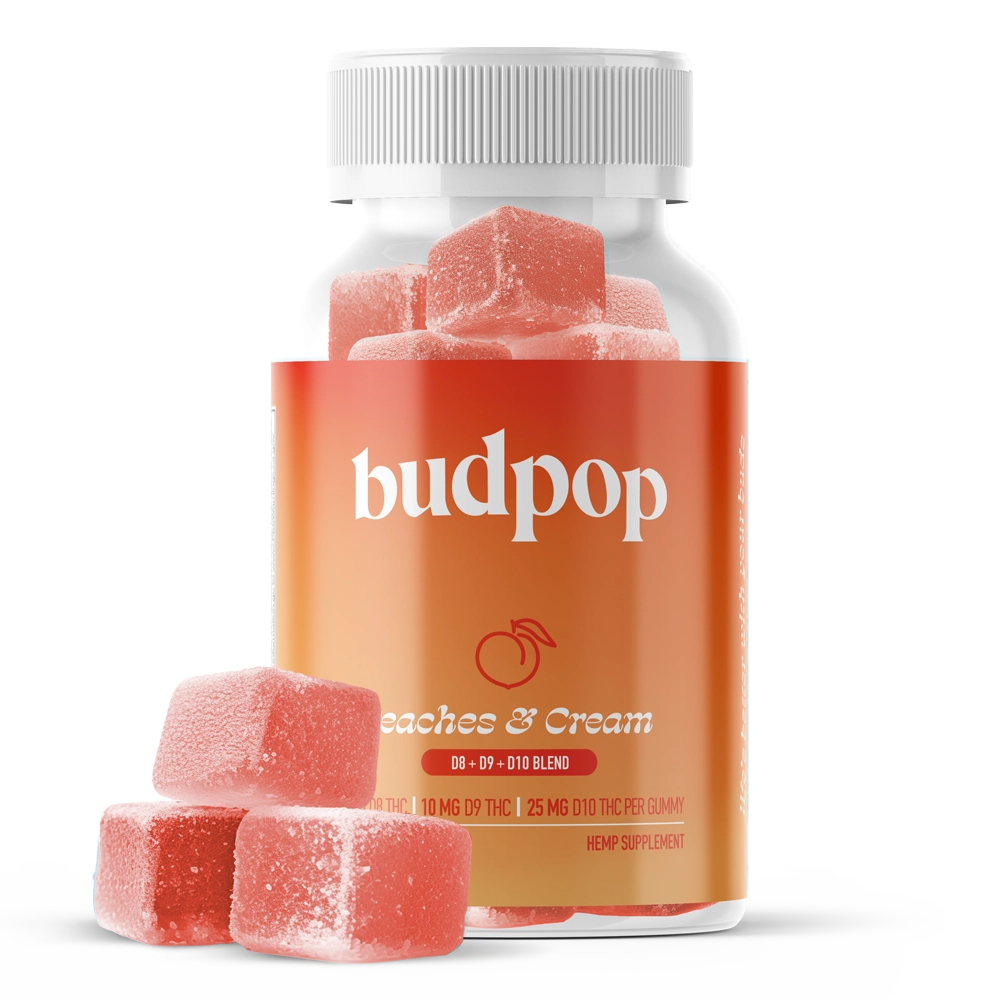
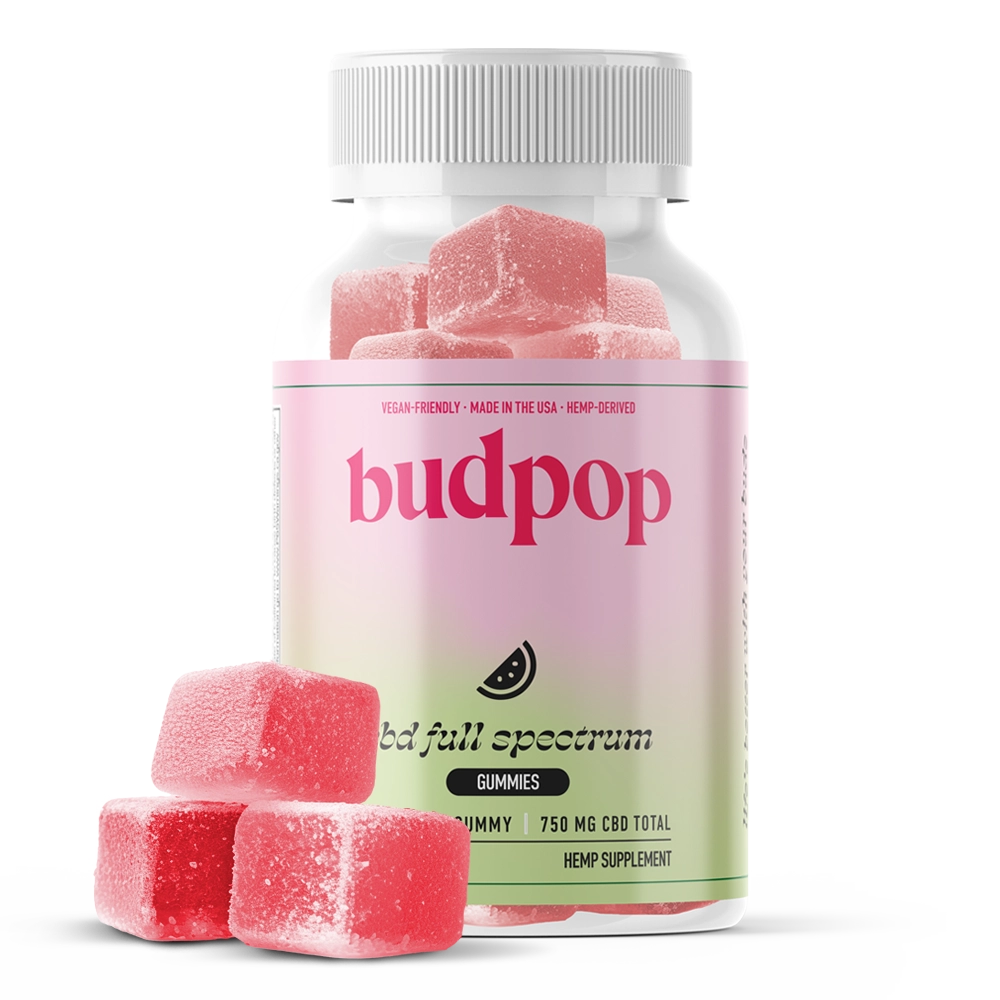
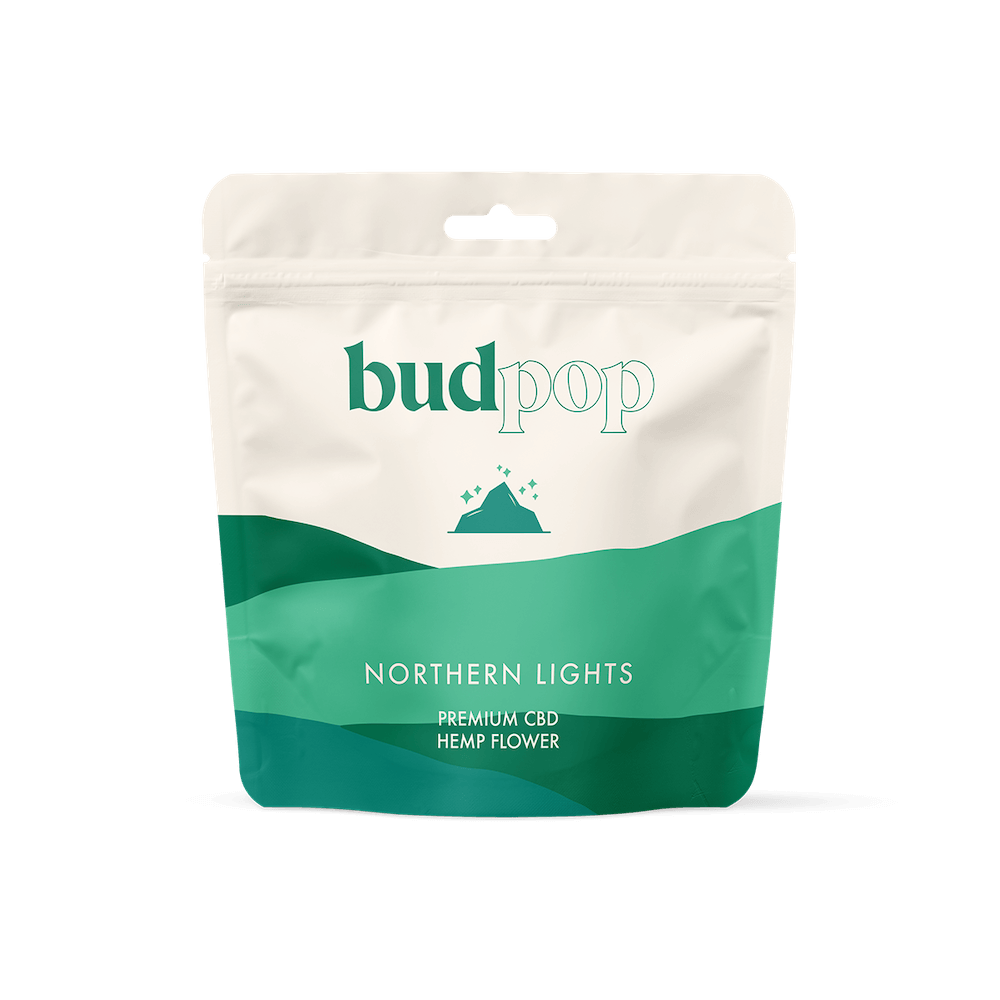
THC RECOVERY PICKS
Feeling Too High From Edibles?
These hemp-derived products are popular for promoting calmer,
smoother, and more manageable THC effects.
FAQ related to “How to come down from edibles”
Can I go to sleep while this high?
Yes, and for a lot of people sleep is the best option. If you can lie down comfortably in a dark, quiet room and drift off, the high will likely be over by the time you wake up. Some people can’t sleep during the peak because anxiety keeps them alert. That’s fine too. You don’t have to sleep through it.
Will drinking a lot of water flush the THC out faster?
No. Water helps with dry mouth and keeps you comfortable, but it doesn’t speed up how your liver and kidneys process THC. Hydration is comfort, not chemistry.
I ate a 50 mg gummy by accident. Is that dangerous?
Uncomfortable, but not medically dangerous for a healthy adult. Very high doses can cause extreme sedation, confusion, and a few hours of genuine misery. It will pass. If you’re with someone, tell them what you took. If you’re alone and feel like you might hurt yourself or others, call a crisis line or a trusted person
Can I drive once I feel a little better?
No. Feeling less high is not the same as sober. THC impairs reaction time and judgment in ways that don’t always feel obvious from the inside. After a too-high edible session, don’t drive for at least 8 hours. Longer is safer.
Does eating more food help?
Eating can help moderate how you feel, especially a small carb-heavy snack. But the idea that a big meal will absorb the THC and neutralize it isn’t accurate. It may slow further absorption slightly if you took multiple doses, but for the most part the THC is already in your bloodstream. Eat something small, not a full meal
What if I feel like this every time I try edibles?
You may be sensitive to THC, or your dose has consistently been too high. Next time, start at 2.5 mg and work up slowly over multiple sessions spaced days apart. Some people genuinely don’t enjoy edibles even at low doses. That’s a valid conclusion to reach.-